If you work in GMP clinical manufacturing, you already understand that compliance is not just a regulatory requirement—it’s a cornerstone of product quality, patient safety, and clinical trial success. Yet even the most experienced teams can face challenges maintaining Good Manufacturing Practice (GMP) standards consistently.
GMP violations in clinical manufacturing—from documentation gaps to contamination or training lapses—can lead to severe consequences, including product recalls, FDA warning letters, or even halted studies. This article examines the most common GMP pitfalls encountered during clinical manufacturing and offers practical strategies to mitigate them. Whether preparing for an audit or improving operations, these best practices will help your team achieve the highest levels of pharmaceutical manufacturing compliance.
Learn more about regulatory expectations in UPM’s guide to Current Good Manufacturing Practices Regulations.
Article Contents
- 1. Inadequate Documentation
- 2. Insufficient Training
- 3. Contamination, Cross-Contamination Risks
- 4. Poor Change Control
- 5. Equipment, Facility Maintenance Failures
- 6. Insufficient Quality Oversight
- 7. Inadequate Technology Transfer
- 8. Weak Communication
- Preventing GMP Violations Through Compliance
- FAQs
1. Inadequate Documentation and Recordkeeping
One of the most common causes of GMP audit findings is poor documentation. Missing batch records, incomplete deviation reports, or inconsistent log entries can all compromise traceability and integrity. GMP documentation errors not only hinder investigations. They can trigger compliance actions.
How to Prevent GMP Documentation Errors:
- Implement digital batch record systems with secure audit trails.
- Use standardized templates for batch records and deviation reporting.
- Schedule periodic documentation audits to ensure accuracy and completeness.
Strong documentation practices form the foundation of regulatory compliance in clinical manufacturing. For detailed insight into documentation systems and oversight, explore UPM’s Quality and Regulatory Support.
2. Insufficient Training and Personnel Qualification
Inadequate or outdated training programs often appear among the top GMP audit findings. Without continuous education, operators may deviate from standard operating procedures or fail to recognize early signs of process variation.
How to Prevent Inadequate GMP Training:
- Create a structured training matrix that defines the qualifications for each role.
- Conduct annual refresher sessions and requalification after any deviation event.
- Maintain electronic training records to ensure transparency and traceability.
Establishing a culture of continuous improvement and accountability helps sustain long-term GMP compliance for clinical trials.
3. Contamination and Cross-Contamination Risks
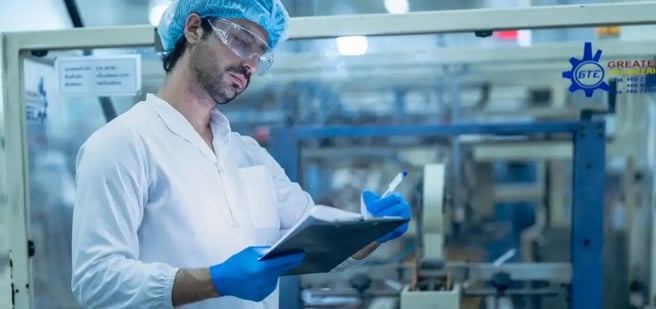
Contamination—whether microbial, particulate, or chemical—remains one of the most critical risks to GMP clinical manufacturing. Poor environmental control, inadequate gowning, or misuse of equipment can compromise entire production runs.
How to Prevent Contamination:
- Design facilities with proper zoning and airflow segregation.
- Implement validated cleaning and sterilization procedures.
- Establish robust environmental monitoring and personnel hygiene programs.
Facility layout and material flow are key to contamination control. Learn more about controlled environments through UPM’s pharmaceutical manufacturing expertise.
4. Poor Change Control and Deviation Management
Failure to manage change effectively is a frequent cause of pharmaceutical manufacturing compliance issues. Even minor process modifications can introduce risk if not properly evaluated.
How to Prevent Change Control Issues:
- Use formal change control systems requiring cross-functional review and QA approval.
- Conduct risk assessments for each change to identify downstream impacts.
- Integrate CAPA (Corrective and Preventive Action) tracking with deviation reporting systems.
Effective change management ensures continuity, consistency, and audit readiness throughout the product lifecycle.
5. Equipment and Facility Maintenance Failures
Uncalibrated instruments, expired sensors, or unqualified systems can quickly lead to GMP audit findings and potential data integrity breaches. Reliable equipment performance is essential for maintaining product quality and consistency.
How to Prevent Equipment Failures:
- Implement a preventive maintenance schedule based on the criticality of each piece of equipment.
- Use calibration certificates and logbooks accessible for inspection.
- Review facility design and environmental data on a routine basis.
UPM’s Formulation and Analytical Development services include comprehensive equipment qualification and validation support, ensuring your manufacturing systems meet all regulatory expectations.
6. Insufficient Quality Oversight and QA/QC Integration
Weak QA oversight or disconnected quality systems often lead to regulatory compliance issues in clinical manufacturing. When QA is not fully integrated, deviations can go unnoticed or unreported.
How to Prevent Disconnected Quality Systems:
- Empower QA to approve all GMP-related documentation, changes, and investigations.
- Conduct internal audits to identify recurring weaknesses.
- Use data-driven metrics to track compliance and performance trends.
For complete quality integration across development and production, see UPM’s Quality and Regulatory Support.
7. Inadequate Technology Transfer and Process Validation
During early-phase or scale-up manufacturing, technology transfer errors frequently result in deviations or delays. Incomplete documentation, poor communication, and lack of validation planning all contribute to GMP violations in clinical manufacturing.
How to Prevent Technology Transfer Errors:
- Establish clear protocols for process and analytical transfer, following established tech transfer best practices.
- Engage QA early to validate data, equipment, and materials.
- Use a risk-based validation approach to ensure reproducibility and compliance.
Learn how structured transfers safeguard product integrity in UPM’s overview of CTM Manufacturing.
8. Weak Communication Between Sponsors and CDMOs
Breakdowns in communication between sponsors and manufacturing partners can lead to inconsistent expectations, data silos, or missed quality events, all of which are potential GMP violations in clinical manufacturing.
How to Prevent Communication Breakdowns:
- Maintain ongoing communication between QA and project management teams.
- Establish joint SOP reviews and shared quality metrics.
- Define responsibilities and escalation procedures in quality agreements.
A transparent relationship with your CDMO builds trust, mitigates risk, and strengthens audit readiness.
Preventing GMP Violations Through Proactive Compliance
Proactive compliance means embedding quality into every process, not just reacting to audits. From digital documentation to preventive maintenance and QA integration, success in GMP clinical manufacturing depends on a consistent, system-wide commitment to excellence.
UPM Pharmaceuticals integrates these principles through its end-to-end CDMO services, providing the infrastructure, expertise, and quality systems needed for flawless execution. Learn more about Current Good Manufacturing Practices Regulations.
FAQs About GMP Compliance
How can digital solutions help address GMP compliance challenges?
Digital tools, such as electronic batch records (EBRs), learning management systems, and automated deviation tracking, streamline data collection, reduce human error, and enhance audit readiness. They also provide real-time visibility into quality metrics—helping manufacturers prevent problems before they occur.
Are there GMP considerations unique to early-phase clinical manufacturing compared to commercial manufacturing?
Yes. Early-phase facilities handle smaller batch sizes, frequent formulation changes, and limited stability data. This increases the need for flexible systems, rapid documentation, and heightened QA oversight to ensure pharmaceutical manufacturing compliance from the earliest stages.
Can partnering with a CDMO help minimize GMP risks in clinical manufacturing?
Absolutely. An experienced CDMO, such as UPM, provides proven infrastructure, regulatory expertise, and integrated QA support. By managing documentation, validation, and training programs, CDMOs help ensure seamless GMP compliance for clinical trials and successful audit outcomes.
CONTACT US
Partner with UPM Pharmaceuticals for GMP-Compliant Clinical Manufacturing
Maintaining compliance with GMP standards requires precision, documentation discipline, and continuous improvement. As a trusted CDMO, UPM Pharmaceuticals offers full-service support for GMP clinical manufacturing, from formulation development and analytical testing to regulatory documentation and quality audits.
With decades of experience and a proven record of regulatory excellence, UPM helps sponsors confidently navigate complex GMP expectations, ensuring every batch meets the highest quality and safety standards.
Explore how UPM can strengthen your clinical manufacturing compliance:
Quality and Regulatory Support Pharmaceutical Manufacturing Contact UPM Pharmaceuticals